Bulletin for March 29, 2026
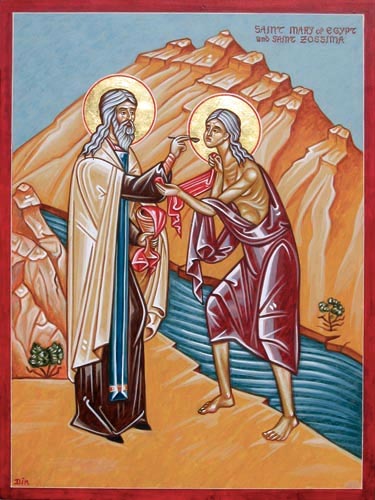
Mar. 29 – Fifth Sunday of the Great Lent. Tone 1
Venerable Mary of Egypt. Martyr Sabinas of Hermopolis, Egypt (303). Martyr Papas of Lycaonia (305). Apostle Aristobulus of the Seventy, bishop of Britain (1st c.). Hieromartyr Alexander, pope of Rome (119). Martyrs Trophimus and Thalus of Laodicea (300). Martyr Julian of Anazarbus (305).
Heb. 9:11-14; Mk. 10:32-45;
Gal. 3:23-29; Lk. 7:36-50;
Liturgy of St. Basil the Great.
Apr. 5 – PALM SUNDAY. THE ENTRY OF THE LORD INTO JERUSALEM.
Monk-martyr Nicon and 199 disciples, in Sicily (251). Martyrs Philetas the Senator, his wife Lydia, their sons Macedon and Theoprepius, the notary Cronides, and Amphilochius the Captain, in Illyria (125). Ven. Nicon, abbot of the Kyiv Caves (1088).
Phil. 4:4-9; Jn. 12:1-18;
Liturgy of St. John Chrysostom
Services & Other Events
29 March, Sunday:
- 9am – Confession / Hours
- 9:30am – Divine Liturgy - Бож. Літургія
31 March, Tuesday:
- 7pm – Building & Maintenance Meeting
4 April, Lazarus Saturday:
- 9:30am – Divine Liturgy - Бож. Літургія
5 April, Sunday:
- 9am – Confession / Hours
- 9:30am – Divine Liturgy - Бож. Літургія
- Blessing of the Pyssy Willow and Palms – Освячення гілок верби та пальми
- 6:30pm – Bridegroom Matins - Постова Утрення
6 April, Holy Monday:
- 6:30pm – Great Compline - Велике Повечір'я
7 April, Annunciation - Благовіщення:
- 9am – Vesperal Liturgy of St. John Chrysostom - Вечірня із Літургією св. Івана Хрестителя
8 April, Holy Wednesday:
- 6:30pm – Sacrament of the Holy Unction - Таїнство Миропомазання
Апостол і Євангеліє - Gospel and Epistle of the Day
The Eternal High Priest and the Servant of All
Hebrews 9:11–14 & Mark 10:32–45
The two biblical passages assigned for our meditation — Hebrews 9:11–14 and Mark 10:32–45 — stand at the very heart of Christian soteriology and ecclesiology. Together they reveal the twin mystery of Christ's person and mission: He is at once the eternal High Priest who offers His own Blood as the perfect sacrifice, and the humble Servant-King who calls His disciples to follow Him in the way of the Cross. In the Orthodox tradition, these texts are not merely historical accounts but living theological realities celebrated and inhabited in the Divine Liturgy, in prayer, and in the daily ascetic struggle of the Christian life.
HEBREWS 9:11–14
"But when Christ appeared as a high priest of the good things that have come, then through the greater and more perfect tent (not made with hands, that is, not of this creation) he entered once for all into the holy places, not by means of the blood of goats and calves but by means of his own blood, thus securing an eternal redemption. For if the blood of goats and bulls, and the sprinkling of defiled persons with the ashes of a heifer, sanctify for the purification of the flesh, how much more will the blood of Christ, who through the eternal Spirit offered himself without blemish to God, purify our conscience from dead works to serve the living God." (Heb. 9:11–14, ESV)
The Old and New Priesthood
The Epistle to the Hebrews was written to Jewish Christians who were tempted to return to the Levitical priesthood and its elaborate sacrificial system. The author of Hebrews — whom Orthodox tradition associates with the circle of St. Paul — demonstrates with great theological precision that the entire Old Testament sacrificial economy was a "shadow" and "type" pointing forward to Christ, the one perfect Priest and Sacrifice. Hebrews 9:11–14 is the culminating argument of this demonstration.
The Teaching of St. John Chrysostom
St. John Chrysostom (c. 347–407), Archbishop of Constantinople and Doctor of the Universal Church, composed a celebrated series of homilies on the Epistle to the Hebrews. On this passage he writes:
"Christ did not enter once a year as the high priest did, but once for all, and He did not offer the blood of another, but His own, which is why the atonement He accomplished is not temporary but eternal. He is both the Priest who offers and the Sacrifice that is offered — a mystery beyond all human comprehension."
— St. John Chrysostom, Homilies on Hebrews, Homily XV
Chrysostom emphasizes the "genuine and true" nature of Christ's priesthood in contrast to the Levitical priesthood. In his commentary he draws out the distinction between the "tabernacle not made with hands" — which he identifies with the glorified human nature of Christ, or with heaven itself, the very presence of the Father — and the earthly tabernacle constructed by Moses. The blood of goats and bulls could only provide ritual cleansing; the Blood of Christ, being the Blood of the Incarnate Word, cleanses the very conscience, the depths of the human person.
The Teaching of St. Cyril of Alexandria
St. Cyril of Alexandria (c. 376–444), the great champion of the Council of Ephesus and defender of the Theotokos, reflects on Hebrews 9 in his "Glaphyra" and in his letters. For Cyril, the phrase "through the eternal Spirit" is of supreme theological importance:
"The Son of God offered Himself not by compulsion but freely, through the Holy Spirit who is co-eternal and co-essential with the Father and the Son. This offering is not merely human but divine and human together, for the Priest who offers is the Eternal Word who has taken our nature. This is why the offering avails for all time and for all humanity."
— St. Cyril of Alexandria, Glaphyra on Leviticus, Book II
The Teaching of St. John of Damascus
St. John of Damascus (c. 675–749), the great synthesizer of Orthodox theology, in his "Exposition of the Orthodox Faith" (De Fide Orthodoxa), connects Hebrews 9 with the Eucharistic theology of the Church:
"Christ our God, Who offered Himself as a sacrifice and is offered, Who receives the offering and is distributed, now dwells in us and we dwell in Him. The sacrifice on Golgotha was once for all; yet in the Divine Liturgy it is made present — not repeated, but made mystically real — so that we receive that same Body and Blood that were offered for the life of the world."
— St. John of Damascus, An Exact Exposition of the Orthodox Faith, Book IV, Chapter 13
Typology: From Shadow to Reality
The Orthodox Church understands the entire Old Testament through the lens of typology — a method of reading Scripture taught by the Fathers themselves. St. Athanasius of Alexandria wrote that "the Old Testament is a shadow (skiá) of the New," and this insight is central to understanding Hebrews 9.
The key typological parallels are: (1) The earthly tabernacle – the glorified Body of Christ and the heavenly sanctuary; (2) The blood of animals – the precious Blood of the Incarnate Word; (3) The Levitical High Priest entering the Holy of Holies once a year – Christ ascending to the Father once for all; (4) Ritual purification of the flesh – the cleansing of the conscience, the innermost self.
"For the law has but a shadow of the good things to come instead of the true form of these realities, it can never, by the same sacrifices that are continually offered every year, make perfect those who draw near." (Heb. 10:1, ESV)
The Third Prediction of the Passion
This passage in Mark's Gospel contains the third and most detailed prediction of Christ's Passion. The setting is profoundly significant: Jesus leads the way — He walks ahead of the disciples toward Jerusalem, toward death. The disciples are ‚mazed" and ‚fraid" — they sense that something of cosmic importance is being enacted before their eyes, yet they cannot yet fully comprehend it.
The Teaching of St. Basil the Great
St. Basil the Great (c. 330–379), Archbishop of Caesarea and one of the Three Holy Hierarchs, meditates on the contrast between worldly authority and Christ's servant-kingship in his "Long Rules" (Asketikon) and his homilies:
"The Lord overturned every human measure of greatness. He who sits upon the throne of glory came not to be ministered unto but to minister, showing us that true power is not dominion over others but self-giving love. The one who would follow Christ must take up not a scepter but a basin and towel, not a crown of gold but a crown of thorns."
— St. Basil the Great, The Long Rules, Preface and Rule 43
The Teaching of St. Gregory the Theologian
St. Gregory the Theologian (329–390), Patriarch of Constantinople and author of the celebrated Theological Orations, reflects on the phrase "ransom for many" (lytron anti pollon) and the mystery of the "cup" Christ drinks:
"When the Lord asks, 'Can you drink the cup that I drink?' He is not asking whether they can physically survive suffering — He is asking whether they are willing to be conformed to His image, to embrace the path of kenosis, of self-emptying, as He emptied Himself for the salvation of all. This is the deepest meaning of discipleship: not power, not position, but participation in the Cross."
— St. Gregory the Theologian, Oration 37: On the Words of the Gospel (Matthew 19:1)
The Teaching of St. Theophan
the Recluse
St. Theophan the Recluse (1815–1894), the great Orthodox ascetic, bishop, and prolific spiritual writer, comments on the passage in his collected homilies on the Sunday Gospels:
"James and John sought the first places in glory, not yet understanding that the path to glory passes through the Cross. The Lord does not rebuke their desire for closeness to Him, but transforms it: not through ambition shall you be near Me, but through suffering love. Every Christian must ask himself: am I willing to drink the cup? For without this willingness, there is no true discipleship."
— St. Theophan the Recluse, Homilies on the Sunday Gospels, Vol. III
The Priest and the Servant
Read together, Hebrews 9:11–14 and Mark 10:32–45 reveal the full mystery of Christ's redemptive mission. In Hebrews we see the cosmic, heavenly, and priestly dimension: Christ as the eternal High Priest who enters the Holy of Holies of heaven itself, offering His own Blood as the one perfect sacrifice that accomplishes what no Levitical sacrifice ever could — the purification of the conscience from dead works.
In Mark we see the earthly, historical, and kenotic dimension: Christ walking ahead of His disciples toward Golgotha, teaching them that true greatness consists not in dominion but in self-giving service — in drinking the cup of suffering and being baptized with the baptism of death. The "ransom for many" (Mk. 10:45) echoes and grounds the "eternal redemption" of Hebrews 9:12: both speak of the same divine act of liberation.
St. Ignatius of Antioch (c. 35–108), disciple of the Apostle John and martyr, captures the unity of these themes in his Letter to the Romans:
"I am the wheat of God, and I am ground by the teeth of wild beasts that I may be found to be the pure bread of Christ. Allow me to be an imitator of the Passion of my God. If anyone has Him within himself, let him understand what I desire, and sympathize with me, knowing what presses upon me."
— St. Ignatius of Antioch, Letter to the Romans, Chapter 4
Liturgical And Ascetic Application
The Orthodox Church does not leave theological truths in the realm of abstract speculation. Every doctrinal reality is lived, celebrated, and embodied. Hebrews 9:11–14 is read at the Divine Liturgy as the Epistle on the feast of the Holy Cross and on many Saturdays of the liturgical year, reminding the faithful that every Eucharist is a participation in that one, perfect sacrifice. The Anaphora of the Divine Liturgy of St. John Chrysostom echoes Hebrews 9 when the priest prays:
"Thine own of Thine own we offer unto Thee, on behalf of all and for all... "
Mark 10:32–45, with its call to servant-leadership, finds its ascetic application in the monastic tradition and in the lay vocation alike.
Hebrews 9:11–14 and Mark 10:32–45 together proclaim the one Gospel of salvation in its full Orthodox depth. Christ is the eternal High Priest and the perfect Servant; His sacrifice is both the cosmic event that purifies the conscience of all humanity and the personal invitation to each disciple to follow Him on the way of the Cross.
The Orthodox Church, faithful to the Holy Fathers and the unbroken Tradition, calls every believer to receive the Blood of Christ in the Holy Eucharist with purified conscience (Heb. 9:14), and to express that reception in daily life through humble service of all — for whoever would be great among you must be your servant, and whoever would be first must be slave of all (Mk. 10:43–44). This is the royal path of Orthodox Christian life.
Вічний Великий Священик і Слуга Всім
Євр. 9:11–14 і Мк. 10:32–45
Два біблійні уривки, запропоновані для нашого роздуму — Євр. 9:11–14 і Мк. 10:32–45 — стоять в самому серці християнської сотеріології і еклезіології. Разом вони розкривають подвійну таємницю особи і місії Христа: Він є одночасно Вічним Великим Священиком, який приносить Свою власну Кров як досконалу жертву, і смиренним Царем-Слугою, який покликає Своїх учнів іти за Ним шляхом Хреста.
У православній традиції ці тексти є не просто історичними розповідями, а живими богословськими реаліями, які святкуються на Божественній Літургії, в молитві й в щоденній аскетичній боротьбі християнського життя. Ця стаття розкриває цю таємницю через вчення святих отців Православної Церкви.
«Христос, Первосвященник майбутніх благ, прийшовши з більшою та досконалішою скінією, нерукотворною, тобто не такого спорудження, і не з кров'ю козлів і телят, але зі Своєю Кров'ю, один раз увійшов у святилище і здобув вічне викуплення. Бо якщо кров телят і козлів та попіл телиці через окроплення освячує осквернених, щоб чисте було тіло, то тим більше Кров Христа, Котрий Духом Святим приніс Себе непорочного Богові, очистить совість нашу від мертвих діл для служіння Богу живому і істинному!» (Євр. 9:11–14)
Старе і Нове Священство
Послання до Євреїв було написано до єврейських християн, які були спокушувані повернутися до левітського священства з його розгалуженою жертвенною системою. Автор Євреїв з богословською точністю доводить, що вся старозавітня жертвенна система була «тінью» і «образом», що вказували на Христа — єдиного досконалого Священика і Жертви. Євр. 9:11–14 є кульмінацією цього доказу.
Вчення свт. Івана Золотоустого
Святий Іван Золотоустий (бл. 347–407), Архієпископ Константинопольський, склав знаменитий цикл бесід на Послання до Євреїв. Про цей уривок він пише:
«Христос увійшов не щороку, як великий священик, а єдиний раз і назавжди, і приніс не чужу кров, а Свою власну, і тому його спокута є не тимчасовою, а вічною. Він є і Священиком, що приносить, і Жертвою, що приноситься — таємниця, що перевищує будь-яке людське розуміння.»
— Свт. Іван Золотоустий, Бесіди на Послання до Євреїв, Бесіда XV
Золотоустий підкреслює «справжнє» і «істинне» священство Христа на відміну від левітського священства. Кров тварин могла давати лише обрядове очищення; Кров Христова, будучи Кровʼю Втіленого Слова, очищає саму совість — глибини людської особи.
Вчення свт. Кирила Александрійського
Святий Кирило Александрійський (бл. 376–444), великий захисник Ефеського Собору і захисник Богородиці, розмірковує про Євр. 9 у своїх «Глафірах». Для нього вираз «через вічного Духа» має найвище богословське значення:
«Син Божий приніс Себе Самого не під примусом, а вільно, через Святого Духа, Який є вічним і єдиносушним з Отцем і Сином. Це приношення не лише людське, але божественно-людське разом, бо Священик, який приносить, є Вічним Словом, яке прийняло нашу природу. Тому це приношення діє довіку і для всього людства.»
— Свт. Кирило Александрійський, Глафіри на Левіт, Книга II
Вчення свт. Івана Дамаскина
Святий Іван Дамаскин (бл. 675–749), у своєму «Точному викладі православної віри» повʼязує Євр. 9 з євхаристічним богословʼям Церкви:
«Христос Бог наш, Який приніс Себе в жертву і приноситься, Який приймає жертву і роздається, нині перебуває в нас і ми перебуваємо в Ньому. Жертва на Голгофі була єдиною; однак у Божественній Літургії вона стає присутньою — не повторюється, але таємнично стає реальною, щоб ми прийняли Те саме Тіло і Кров, які були принесені за життя світу.»
— Свт. Іван Дамаскин, Точний виклад православної віри, Кн. IV, гл. 13
Типологія: від тіні до дійсності
Православна Церква розуміє весь Старий Завіт через призму типології. Святий Атанасій Александрійський писав, що «Старий Завіт є тіню Нового». Основні типологічні паралелі: (1) Земна Палатка – прославлена людська природа Христа і небесне святилище; (2) Кров тварин – дорогоцінна Кров Втіленого Слова; (3) Левітський священик – Христос, який вічно відійшов до Отця; (4) Обрядове очищення тіла – очищення совісті.
«Закон, маючи тінь майбутніх благ, а не сам образ речей, одними й тими ж жертвами, які щороку постійно приносяться, ніколи не може зробити досконалими тих, що приходять з ними.» (Євр. 10:1)
ЄВАНГЕЛІЄ ВІД МАРКА 10:32–45
«Вони були в дорозі й йшли до Єрусалима, а Ісус йшов перед ними. І вони дивувалися, а ті, що йшли за ним, боялися. І знову взявши дванадцятьох, Ісус почав розповідати їм про те, що має з Ним статись... І прийшли до Нього Яків і Іван, сини Зеведеєві, і просили Його: 'Дай нам сісти, одному праворуч від Тебе, а другому ліворуч, у Славі Твоїй.'... Хто хоче бути між вами великим, хай буде вам слугою; і хто хоче серед вас бути першим, хай буде всім рабом. Бо і Син Людський не за тим прийшов, щоб Йому служили, а щоб Самому служити, і дати душу Свою для викупу багатьох.» (Мк. 10:32–45)
Третє представлення Страстей
Ця уривка в євангелії Марка містить третє і найбільш детальне представлення Страстей Христових. Обставина глибоко значуща: Ісус прокладає шлях — він йде перед учнями до Єрусалима, до смерті. Учні дивуються і бояться — вони відчувають, що перед ними розгортається дія космічного значення.
Вчення свт. Василія Великого
Святий Василій Великий (бл. 330–379), Архієпископ Кесарійський і один з Трьох Святителів, пише у «Великих аскетичних правилах»:
«Господь перевернув усяку людську мірку величі. Той, Хто сидить на престолі слави, прийшов не за тим, щоб Йому служили, а щоб Самому служити, показуючи нам, що справжня влада є не панування над іншими, а самовіддаюча любов. Хто хоче слідувати за Христом, мусить взяти не скипетр, а мильницю і рушник, не золоту корону, а терновий вінок.»
— Свт. Василій Великий, Великі аскетичні правила, Передмова і Правило 43
Вчення свт. Григорія Богослова
Святий Григорій Богослов (329–390), Патріарх Константинопольський, розмірковує над фразою «викуп за багатьох» і таємницею «чаші»:
«Коли Господь запитує: 'Чи можете ви пити чашу, яку Я пю?', Він не питає, чи зможуть вони фізично витримати страждання. Він питає, чи готові вони уподобитися Його образу, обрати шлях кенозису, самоумалення. Це найглибше значення апостольства: не влада, не становище, а участь у Хресті.»
— Свт. Григорій Богослов, Слово 37
Вчення свт. Феофана Затворника
Святий Феофан Затворник (1815–1894), великий православний аскет, єпископ і плідний духовний письменник, коментує цей уривок у своїх повчаннях:
«Яків та Іван шукали перших місць у славі, не розуміючи ще, що шлях до слави пролягає через Хрест. Господь не дорікає їхнього бажання бути близько До Нього, але перетворює його: не через честолюбство будеш близьким до Мене, а через страждання любові. Кожен християнин мусить запитати себе: чи готовий я пити чашу?»
— Свт. Феофан Затворник, Повчання на недільні євангелії, Т. III
Священик І Слуга
Євангельські читання, Євр. 9:11–14 і Мк. 10:32–45 розкривають повну таємницю іскупительної місії Христа. У Євреях ми бачимо космічний, небесний і священицький вимір: Христос як вічний Великий Священик, що входить у Святе Святих самого неба, приносячи Свою власну Кров як єдину досконалу жертву, яка очищує совість всього людства.
У Марка ми бачимо земний, історичний і кенотичний вимір: Христос, що йде перед Своїми учнями до Голгофи, навчаючи, що справжня велич полягає не в пануванні, а в самовіддаючому служінні в любові. «Викуп за багатьох» (Мк. 10:45) перегукує і засновує «вічне спасіння» з Євр. 9:12: обидва говорять про одну божественну дію звільнення.
Святий Ігнатій Антіохійський (бл. 35–108), учень Апостола Івана і мученик, виражає єдність цих тем:
«Я є пшеницею Божою, і зубами звірів я мушу бути перемелений, щоб стати чистим Хлібом Христовим. Дозвольте мені бути сопричасником Страстей Бога мого.»
— Свт. Ігнатій Антіохійський, Послання до Римлян, гл. 4
Літургійне І Аскетичне Застосування
Православна Церква не залишає богословських істин у хмаринці абстрактної спекуляції. Кожна доктринальна реальність переживається, святкується і втілюється. Євр. 9:11–14 читається на Божественній Літургії як Апостол на свято Чесного Хреста, нагадуючи вірним, що кожна Євхаристія є спричастю в тій єдиній, досконалій жертві. Анафора Божественної Літургії свт. Івана Золотоустого перегукує Євр. 9, коли священник молиться:
«Твоє від Твоїх Тобі приносимо, за всіх і за все...» (Божественна Літургія свт. Івана Золотоустого, Анафора)
Євр. 9:11–14 і Мк. 10:32–45 разом проголошують єдине Євангеліє спасіння в усій його православній глибині. Христос є вічним Великим Священиком і досконалим Слугою. Його жертва є одночасно космічною подією, яка очищує совість всього людства, і особистим запрошенням кожному учневі йти за Ним шляхом Хреста.
Православна Церква покликає кожного віруючого приймати Кров Христову в Святій Євхаристії з очищеною совістю (Євр. 9:14), і виражати це прийняття в повсякденному житті через смиренне служіння всім: «хто хоче бути між вами великим, хай буде вам слугою; і хто хоче серед вас бути першим, хай буде всім рабом» (Мк. 10:43–44). Це царський шлях православного християнського життя.
Слава Богу за все!
Преподобна Євтропія Херсонська
Преподобна Євтропія, в миру Катерина Леонтіївна Ісаєнкова, народилася 24 листопада 1863 року в селищі Біла Криниця Херсонської губернії в сім'ї Леонтія й Агафії.
У дванадцять років дівчинка була взята на виховання жіночою чернечою громадою в Олешківській Слободі Таврійської губернії. У громаді сестер Катерина опановувала грамоту й рукоділля, одночасно навчаючись молитви й читання Слова Божого.
Невдовзі громада отримала статус Успенського спільножительного монастиря. Катерина прийняла чернечий постриг з ім'ям на честь святої мучениці Євтропії Александрійської. Її чернечим послухом були читання й спів на кліросі. Після революції монастир скасували, храми закрили, черниць розігнали.
Монахиня Євтропія, як і багато інших насельниць обителі, поїхала до Херсона. Вона оселилася в районі Кіндійських хуторів (нині селище Кіндійка), недалеко від храму Різдва Богородиці. Це місце було обрано невипадково. За Дніпром були улюблені матушкою Олешки, на той час перейменовані на Цюрупинськ.
Монахиня заробляла тим, що шила ковдри. Вона постійно ходила до храму, де молилися й інші черниці Олешківського монастиря. 1938 року храм закрили, після чого черниці збиралися в приватному будинку. Сестри дбали одна про одну й підтримували одна одну, чим могли.
Під час війни в Херсоні стали відкривати раніше закриті храми. 1941 року відкрили і Кіндійську церкву. Декілька років матушка жила в приміщенні, що було в огорожі храму. Але, бажаючи більшого усамітнення, вона незабаром перебралася до невеликого будиночка, розташованого неподалік від Кіндійської церкви. Поки були сили, вона співала й читала на кліросі. Коли стала немічною, преподобна сиділа на лавочці біля хору й молилася. Вона ніколи не пропускала богослужіння.
Жила свята Євтропія в невеликій тимчасовій споруді. Оселя була проста: мазана хатка з однією кімнатою і коридорчиком. До матушки приходили багато людей, які почули про її прозорливість і уповали на силу її молитви. Двір завжди був наповнений людьми. Матушка приймала всіх у себе в кімнаті, сидячи на маленькій лавочці біля свого ліжка. Але ніхто ніколи не бачив, щоб вона лежала на ліжку, навіть якщо була хвора.
За словами очевидців, біля неї завжди лежала чурочка. Коли матушка втомлювалася, вона клала чурочку на ліжко і, сидячи на лавці, клала голову на чурочку. Численні відвідувачі везли їй гостинці. Але преподобна звикла задовольнятися просфорами і святою водою. Тому приношення вона роздавала бідним, незаможним, або ж людям, які дали їй оселю.
Духовні чада свідчили, що на ногах матушка носила вериги. В її руках завжди було Євангеліє, яке вона постійно читала. Іноді вона направляла своїх чад до отця Іосифа (прп. Амфілохія Почаївського), з яким також спілкувалася. Перебуваючи на спочинку в Херсоні, сповідник віри архієпископ Іоанн (Лавриненко) також спілкувався з преподобною Євтропією.
Монахиня Євтропія передбачила свою кончину і заздалегідь попрощалася з тими, кого знала. Вона померла 29 березня 1968 року, у віці ста п'яти років. Відспівували її в Кіндійській церкві Різдва Пресвятої Богородиці за величезного скупчення вірян. Преподобну Євтропію поховали на Кіндійському кладовищі. На її могилі багато хто отримував для себе благодатну допомогу і зцілення.
12 листопада 2009 року були знайдені мощі черниці Євтропії. Вони були перенесені до Свято-Духового кафедрального собору міста Херсон, де перебувають і понині.
Рішенням Священного Синоду Української Православної Церкви від 23 грудня 2010 року черниця Євтропія причислена до лику місцевошанованих святих Херсонської єпархії. 9 серпня 2011 року в Свято-Духовому кафедральному соборі міста Херсон відбулася канонізація преподобної Євтропії Херсонської.
Thank You Note
Whether you spent hours baking in your kitchen, helped set up tables, greeted neighbors with a warm smile, or worked quietly behind the scenes for our bake sale — your efforts were seen, felt, and deeply appreciated. You gave not only your time and talents, but also your love for this community.
May God bless each of you abundantly!
Paschal Cemetery Blessing
Traditionally at our parish we have Paschal Cemetery blessing on Sunday of Memorial Day weekend. But during the time when Memorial Day is outside of Paschal Season we select different day.
This year we are going to have the Paschal Cemetery Blessing on St. Thomas Sunday, April 19, 2026 after the Divine Liturgy.
Potluck & Church Decoration
After Vespers on the Saturday of Lazarus, April 4th, the Junior UOL will be decorating the church with palms and hosting a potluck dinner while folding palm crosses. All parishioners are welcome.
Pysanky Classes

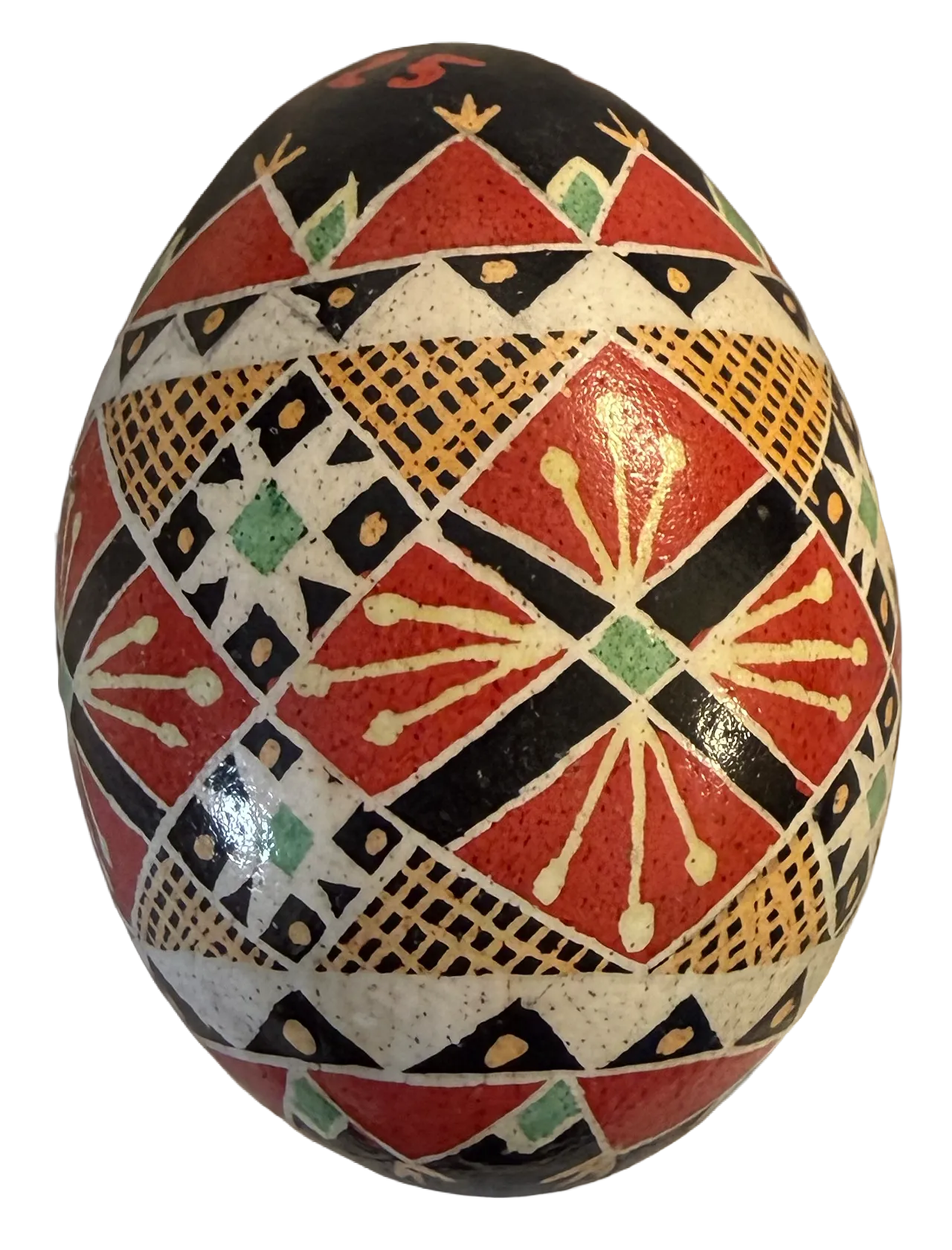
Pysanky classes will start Mar. 4. Wednesdays instead of dancing (5:45-7) and Sunday after church school till 2pm. Last class is on April 5.
Let's Help Ukraine!

St. John's Ukrainian Humanitarian Fund is accepting donations to help Ukrainians during war. Donations will go to provide food and other humanitarian needs.
To make donation online click here
We accept checks as well.
Please make the checks to St. John Ukrainian Humanitarian Fund
Mailing address:
1 Saint John's Parkway
Johnson City NY 13790
Cash is accepted in church
Pray for Ukraine!
Prayers for Ukraine are done during each service. To see the schedule click here.
Молитви за Україну проводяться під час кожної служби. За розкладом дивіться тут.
May God bless and protect Ukraine!
Please Note!
- Only Orthodox Christians may receive Holy Communion or other Sacraments.
- If you have not been to confession in over a month, please go to confession before receiving the Holy
Gifts.
- We fast from all food and drink (including water) from bedtime (the previous night) until we receive the Holy Gifts during morning Divine Liturgy. That also means no coffee, no cigarettes, no gum, candies in the morning and during Divine Liturgy.
Happy Birthday
- March 29: Alexis Schumacher
- April 01: Jason Michael Elenberg
* If your or someone else's birthday is missing or incorrect please let Fr. Ivan know right away.
Please Pray for the Servants of God
Benjamin, Rachel, John, Rose, Solomiia,
Bob, Melodye, Julie, John, Jane, Alla,
Fr. Andre, Mary, Zenna, Douglas, Ivan,
Daniel, Melanie, William, Marion, Helen,
Mariann, Robert, Jean, Ronald, Brian,
Fr. James, Scott, Andriy, James, William,
Fr. Gabriel and PM Susan, Vasyl, Olha
Upcoming Readings
| Mon. Mar. 30 | Is. 48:17–49:4 ; | Gen. 27:1-41; Prov. 19:16-25; |
| Tue. Mar. 31 | Is. 49:6-10; | Gen. 31:3-16; Prov. 21:3-21; |
| Wed. Apr. 1 | Is. 58:1-11; | Gen. 43:26-31; 44:1-16; Prov. 21:23–22:4; |
| Thu. Apr. 2 | Is. 65:8-16; | Gen. 46:1-7; Prov. 23:15-24:5; |
| Fri. Apr. 3 | Is. 66:10-24; | Gen. 49:33–50:26; Prov. 31:8-32; |
| Sat. Apr. 4 | Heb. 12:28–13:8 ; | Jn. 11:1-45; |