Bulletin for October 25 2026
Oct. 25 – 21st Sunday after Pentecost. Tone 4
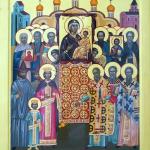
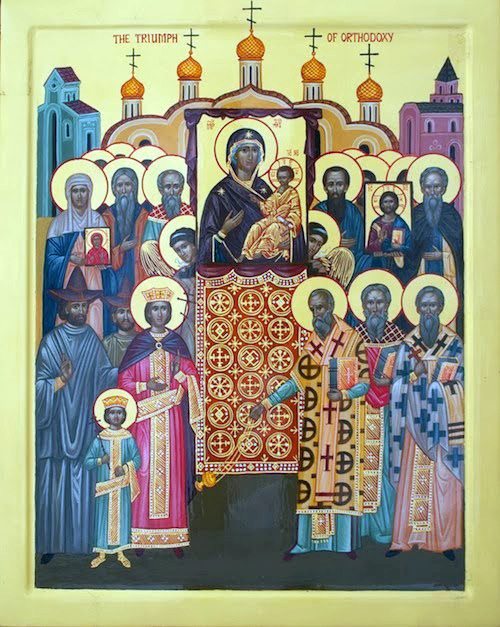
Commemoration of the Holy Fathers of the Seventh Ecumenical Council (787) . Martyrs Probus, Tarachus, and Andronicus at Tarsus in Cilicia (304). Ven. Cosmas the Hymnographer, bishop of Maiuma (787). Martyr Domnina of Anazarbus (286). St. Martin the Merciful, bishop of Tours (397).
Gal. 2:16-20 ; Lk. 7:11-16;
Heb. 13:7-16; Jn. 17:1-13;
Nov. 1 – 22nd Sunday after Pentecost. Tone 5
Prophet Joel (800 B.C.). Martyr Warus and seven monk-martyrs in Egypt (307). Blessed Cleopatra (327) and her son John, in Egypt. Hieromartyr Sadoc (Sadoth), bishop of Persia, and 128 Martyrs with him (342). Ven. John Rylskyj
Gal. 6:11-18 ; Lk. 8:5-15;
Services & Other Events
25 October, Sunday - Неділя:
- 9am – Confession / Hours
- 9:30am – Divine Liturgy - Бож. Літургія
28 October, Wednesday:
- 6:30pm – Iconography Committee Meeting
31 October, Saturday:
- 5pm – Great Vespers - Вел. Вечірня
1 November, Sunday - Неділя:
- 9am – Confession / Hours
- 9:30am – Divine Liturgy - Бож. Літургія
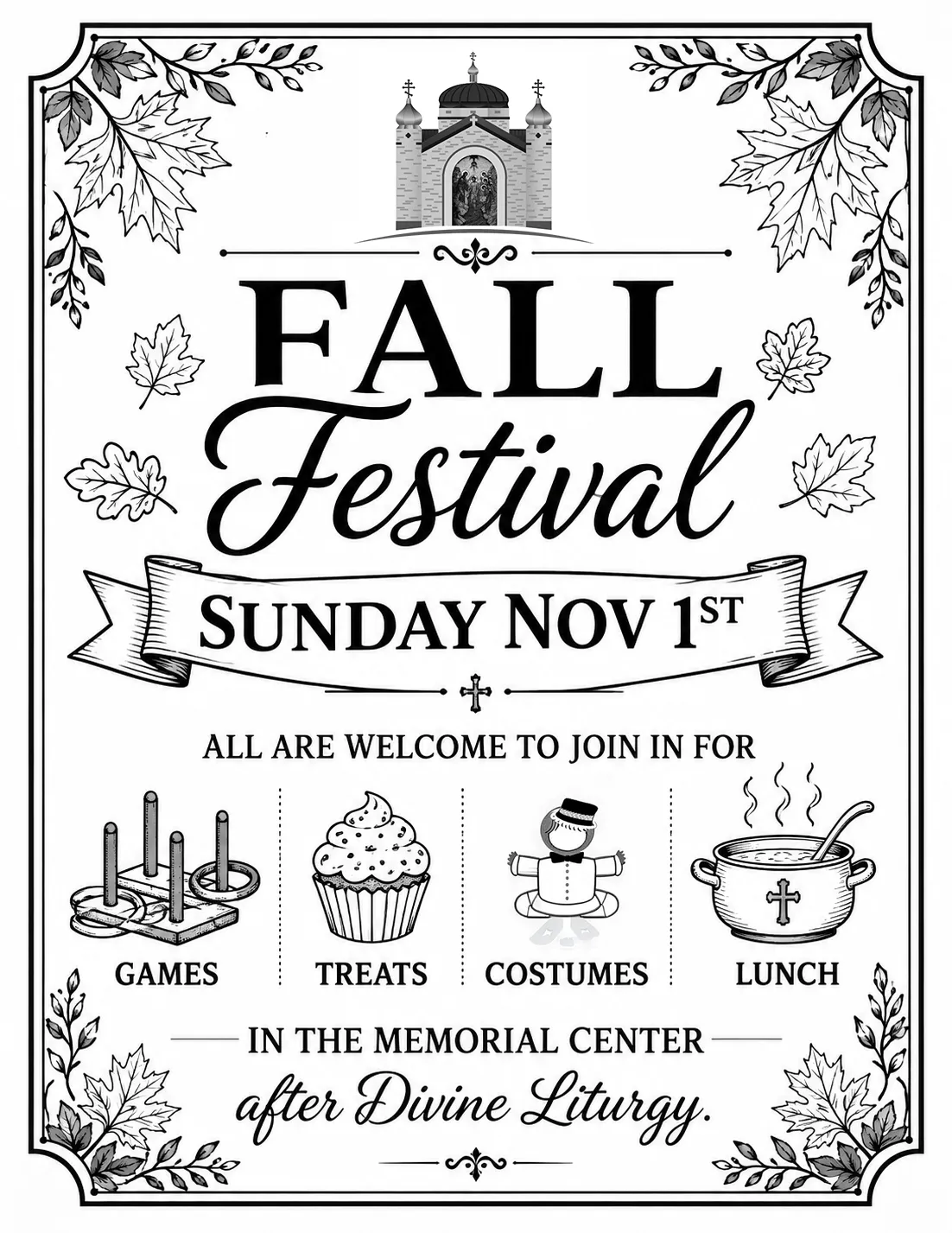
- Fall Festival
- Daylight Saving Time is over
5 November, Thursday:
- 6:30pm – Building and Maintenance Committee Meeting
6 November, Friday:
- 8am – Rolls Baking Session
7 November, Saturday:
- 4:30pm – Memorial (Parastas) Service - Парастас за упокій
- 5pm – Great Vespers - Вел. Вечірня
11 November, Wednesday:
- 7pm – Finance Committee Meeting
16 November, Monday:
- 7pm – Parish Council Meeting
Апостол і Євангеліє - Gospel and Epistle of the Day
Христос живе в мені!
Цієї неділі Церква дає нам чотири читання зі Святого Письма. Два з них розповідають про животворчу любов Ісуса. Два інші читаються тоді, коли ми згадуємо святих отців Сьомого Вселенського Собору — мудрих єпископів, які зібралися в місті Нікеї у 787 році, щоб захистити наші святі ікони. Разом вони відкривають нам одну велику й радісну правду: Ісус живий, Він дає життя і хоче жити в наших серцях.
«Живе Христос у мені»
(Гал. 2:16–20)
«Я розп'ятий з Христом. І живу вже не я, а живе Христос у мені. А що тепер живу в тілі, живу вірою в Сина Божого, що мене полюбив і віддав за мене Самого Себе.» — Гал. 2:20
Апостол Павло пояснює, що ми стаємо Божими друзями не тоді, коли відмічаємо галочками список правил, ніби можемо заробити нагороду. Ми стаємо Його друзями, коли довіряємо Ісусові й відкриваємо Йому своє серце. І тоді стається щось дивовижне: Сам Ісус приходить жити в нас, і наше життя стає Його життям.
Святитель Іоан Золотоустий (архієпископ Константинопольський, IV століття) помітив у цьому вірші одне маленьке слово. Павло не каже лише, що Христос полюбив світ, — він каже: Христос «мене полюбив». Святий Іоан навчає, що кожен із нас може сказати так само: Ісус прийшов заради мене, ніби я — єдина людина на землі. Як добра мама любить кожну свою дитину всім серцем, так і Христос любить тебе цілком — не шматочком Своєї любові, а всією.
«Не плач!» — вдова з Наїна
(Лк. 7:11–16)
«І Господь, як побачив її, змилосердився над нею, і промовив до неї: "Не плач!"» — Лк. 7:13
Ісус прийшов до невеличкого міста Наїн. Біля брами Він зустрів сумну процесію: вдова ховала свого єдиного сина. Чоловіка в неї вже не було, а тепер не стало й дитини — вона залишилася зовсім сама. Ісус зупинився, доторкнувся до мар, на яких лежав юнак, і сказав: «Юначе, тобі кажу: устань!» Юнак сів і почав говорити, і Ісус віддав його матері. А всі люди прославляли Бога.
Блаженний Феофілакт Охридський (архієпископ Охридський, XI століття) звертає увагу, що ніхто не просив Ісуса про це чудо. Він побачив материнські сльози й прийшов на допомогу Сам, з чистого милосердя. Він доторкнувся до мар, щоб показати, що Його святе тіло сповнене життя, а потім воскресив юнака лише Своїм словом, бо Він — Бог. Святитель Кирило Олександрійський також навчає, що плоть Христова — животворча, і цього самого животворчого Христа ми приймаємо у Святому Причасті.
Історія: святитель Спиридон
і його донька Ірина
Святий Спиридон був простим пастухом, який став єпископом на острові Кіпр. Він був такий смиренний, що й ставши єпископом, далі доглядав овець.
Його люба донька Ірина померла ще молодою. Невдовзі до святого прийшла жінка в сльозах: вона віддала Ірині на збереження дорогоцінні прикраси, а тепер ніхто не знав, де вони заховані.
Святий Спиридон пішов до гробу доньки й покликав її на ім'я. Бог дозволив Ірині відповісти з гробу й сказати, де вона заховала скарб. Прикраси знайшли й повернули жінці.
Ця історія нагадує нам, що в Бога немає мертвих — усі живі в Ньому. Той самий Господь, Який воскресив сина вдови, чує молитви Своїх святих.
«Пам'ятайте своїх наставників» (Євр. 13:7–16)
«Пам'ятайте наставників ваших, що вам говорили Слово Боже… Ісус Христос учора, і сьогодні, і навіки Той Самий!» — Євр. 13:7–8
Апостол просить нас пам'ятати тих, хто навчив нас віри, і наслідувати їхній приклад. Сьогодні ми згадуємо святих отців, які захистили святі ікони. Деякі люди в ті часи казали, що ікони — це погано, і навіть нищили їх. А святі отці пояснили, чому можна й потрібно писати й шанувати ікони.
Преподобний Іоан Дамаскин (монах із Сирії, VIII століття) був великим захисником ікон. Він пояснював так: ніхто не може зобразити невидимого Бога. Але Бог Син став справжньою Людиною, Яку люди могли бачити, чути й торкатися. Ось чому ми можемо писати Його образ! А коли ми цілуємо ікону, то, як навчав святитель Василій Великий, шана переходить до того, хто на ній зображений, — до Христа, до Богородиці, до святих. Ми не поклоняємося дереву й фарбам — ми вітаємо тих, кого любимо.
Історія: ікона «Троєручиця»
Святий Іоан Дамаскин служив при дворі правителя Дамаска. Його вороги написали від його імені фальшивого листа, і розгніваний правитель наказав відтяти Іоанові праву руку — ту саму руку, що писала на захист ікон.
Увечері Іоан попросив повернути йому відтяту руку. Він став на коліна перед іконою Пресвятої Богородиці, приклав руку до місця, де вона була, і цілу ніч молився зі сльозами. Уранці рука була зцілена! Залишився лише тоненький червоний слід, наче ниточка.
На подяку він прикріпив до ікони маленьку срібну руку. Відтоді цю ікону Богородиці називають «Троєручицею». Сьогодні вона зберігається в сербському монастирі Хіландар на святій горі Афон.
У цьому ж читанні сказано: «Не забувайте ж і про доброчинність та про спільність, бо такі жертви Богові приємні» (Євр. 13:16). Наша хвала в храмі й наша доброта вдома — це дари, які ми приносимо Богові.
Історія: святитель Миколай і таємний подарунок
У місті Мирах жив бідний чоловік із трьома доньками. Він так збіднів, що не мав грошей на їхнє майбутнє й не знав, що робити.
Єпископ Миколай почув про це. Уночі, щоб ніхто не бачив, він кинув крізь вікно цієї родини мішечок із золотом. Так він зробив тричі — по разу для кожної доньки.
Утретє батько вибіг надвір і впізнав святого. Миколай просив його нікому не розповідати: він хотів, щоб про його добре діло знав лише Бог. Так і ми можемо ділитися: тихо, радісно й не хвалячись.
Ісус молиться за нас (Ін. 17:1–13)
«А це є життя вічне, щоб пізнали Тебе, єдиного Бога правдивого, та Ісуса Христа, що Ти послав Його.» — Ін. 17:3
Перед Своїми стражданнями Ісус звів очі до неба й молився Своєму Отцеві за Своїх учнів — і за всіх нас. Він просив Отця берегти нас і зробити нас єдиними, як Отець і Син — одне.
Святитель Кирило Олександрійський і преподобний Юстин (Попович) (святий Кирило — V століття, Єгипет; святий Юстин — XX століття, Сербія) обидва пояснюють, що «пізнати» Бога — це не просто знати про Нього факти, як ми вчимо факти до контрольної. Це означає жити з Ним, любити Його й бути з Ним єдиним, як близькі друзі знають одне одного. Святий Юстин навчає, що вічне життя починається не лише після смерті — воно починається вже тепер, коли Христос живе в нас через молитву, Святі Таїнства й любов.
Історія: юний Паїсій зустрічає Христа
Преподобний Паїсій Святогорець (Греція, XX століття) любив Бога з самого дитинства. Він читав житія святих і ходив до лісу молитися.
Коли він був підлітком, один старший юнак сказав йому, що Бога немає, а світ виник сам собою. Юний Арсеній — так тоді звали Паїсія — засмутився й не знав, що відповісти.
Він пішов на самоту й молився всім серцем. І тоді Сам Господь Ісус явився йому у світлі з Євангелієм у руках і сказав: «Я — воскресіння і життя. Хто вірує в Мене, той хоч і вмре, буде жити».
Від того дня Паїсій уже не лише знав про Бога — він знав Бога. Саме про таке пізнання говорить Ісус у Своїй молитві: про пізнання, яке і є вічним життям.
Christ Lives in Me!
This Sunday the Church gives us four readings from the Holy Scripture. Two of them tell us about the life-giving love of Jesus. The other two are read when we remember the Holy Fathers of the Seventh Ecumenical Council, the wise bishops who gathered in the city of Nicaea in the year 787 to defend our holy icons. Together they tell us one great and joyful truth: Jesus is alive, He gives life, and He wants to live in our hearts.
«Christ lives in me»
(Galatians 2:16–20)
«I have been crucified with Christ; it is no longer I who live, but Christ lives in me; and the life which I now live in the flesh I live by faith in the Son of God, who loved me and gave Himself for me.» — Galatians 2:20
The Apostle Paul explains that we do not become God's friends by ticking off a list of rules, as if we could earn a prize. We become His friends by trusting Jesus and opening our hearts to Him. Then something wonderful happens: Jesus Himself comes to live inside us, and our life becomes His life.
Saint John Chrysostom (Archbishop of Constantinople, 4th century) noticed one small word in this verse. Paul does not only say that Christ loved the world; he says Christ «loved me». Saint John teaches that every one of us may say the same: Jesus came for me, as if I were the only person on earth. Just as a good mother loves each of her children with her whole heart, Christ loves you completely — not a little piece of His love, but all of it.
«Do not weep» — the widow of Nain (Luke 7:11–16)
«When the Lord saw her, He had compassion on her and said to her, "Do not weep."» — Luke 7:13
Jesus came to a little town called Nain. At the gate He met a sad procession: a widow was burying her only son. She had no husband and now no child — she was all alone. Jesus stopped, touched the stretcher on which the young man lay, and said: «Young man, I say to you, arise!» The boy sat up and began to speak, and Jesus gave him back to his mother. All the people glorified God.
Blessed Theophylact of Ohrid (Archbishop of Ohrid, 11th century) points out that nobody asked Jesus for this miracle. He saw the mother's tears and came to help all by Himself, out of pure compassion. He touched the stretcher to show that His holy body is full of life, and then He raised the young man simply by His word, because He is God. Saint Cyril of Alexandria also teaches that the flesh of Christ is life-giving — and we receive this same life-giving Christ in Holy Communion.
A story: Saint Spyridon
and his daughter Irene
Saint Spyridon was a simple shepherd who became bishop on the island of Cyprus. He was so humble that he still took care of sheep even after he became a bishop.
His dear daughter Irene died while still young. Soon afterwards a woman came to the saint in tears: she had given Irene some precious jewelry to keep safe, and now nobody knew where it was hidden.
Saint Spyridon went to his daughter's grave and called to her by name. God allowed Irene to answer from the grave and to tell where she had hidden the treasure. The jewelry was found and returned to the woman.
This story reminds us that for God there are no dead — all are alive in Him. The same Lord who raised the son of the widow hears the prayers of His saints.
«Remember your teachers»
(Heb. 13:7–16)
«Remember those who rule over you, who have spoken the word of God to you… Jesus Christ is the same yesterday, today, and forever.» — Hebrews 13:7–8
The Apostle asks us to remember those who taught us the faith and to follow their example. Today we remember the Holy Fathers who defended the holy icons. Some people in those days said that icons were wrong and even destroyed them. The Fathers explained why we may — and should — paint and honor icons.
Saint John of Damascus (a monk from Syria, 8th century) was the great defender of the icons. He explained it like this: no one can paint the invisible God. But God the Son became a real man whom people could see, hear and touch. That is why we can paint His image! And when we kiss an icon, as Saint Basil the Great taught, the honor goes to the person shown on it — to Christ, to the Mother of God, to the saints. We do not worship wood and paint; we greet our beloved ones.
A story: the Icon with Three Hands
Saint John of Damascus worked at the court of the ruler of Damascus. His enemies wrote a false letter in his name, and the angry ruler ordered that John's right hand be cut off — the very hand that wrote in defense of the icons.
In the evening John asked for his hand to be returned to him. He knelt before the icon of the Most Holy Mother of God, placed the hand to his arm and prayed with tears all night. In the morning his hand was healed! Only a thin red line remained, like a thread.
In thanksgiving he attached a small silver hand to the icon. Since then it has been called the «Three-Handed» icon of the Mother of God. Today it is kept in the Serbian monastery of Hilandar on Mount Athos.
The same reading also says: «Do not forget to do good and to share, for with such sacrifices God is well pleased» (Hebrews 13:16). Our praise in church and our kindness at home are gifts we offer to God.
A story: Saint Nicholas
and the secret gift
In the town of Myra lived a poor man with three daughters. He had become so poor that he had no money for their future and did not know what to do.
Bishop Nicholas heard about this. At night, so that no one would see, he threw a little bag of gold through the family's window. He did this three times — once for each daughter.
The third time the father ran out and recognized the saint. Nicholas begged him to tell no one. He wanted only God to know about his good deed. That is how we too can share: quietly, gladly, and without boasting.
Jesus prays for us (John 17:1–13)
«And this is eternal life, that they may know You, the only true God, and Jesus Christ whom You have sent.» — John 17:3
Before His Passion, Jesus lifted His eyes to heaven and prayed to His Father for His disciples — and for all of us. He asked the Father to keep us safe and to make us one, as the Father and the Son are one.
Saint Cyril of Alexandria and Saint Justin Popović (Saint Cyril — 5th century, Egypt; Saint Justin — 20th century, Serbia) both explain that to «know» God does not mean only to know facts about Him, the way we learn facts for a test. It means to live with Him, to love Him and to be united with Him, as close friends know each other. Saint Justin teaches that eternal life does not begin only after death — it begins already now, when Christ lives in us through prayer, the Holy Mysteries and love.
A story: young Saint Paisios meets Christ
Saint Paisios of Mount Athos (Greece, 20th century) loved God since he was a little boy. He read the lives of the saints and went into the forest to pray.
When he was a teenager, an older young man told him that God does not exist and that the world made itself. Young Arsenios — that was his name then — became troubled and did not know what to answer.
He went off alone and prayed with all his heart. Then the Lord Jesus Himself appeared to him in light, holding the Gospel, and said: «I am the resurrection and the life; he who believes in Me, though he may die, he shall live.»
From that day Paisios no longer only knew about God — he knew God. This is the knowledge Jesus speaks of in His prayer: the knowledge that is eternal life.
Fall Festival - November 1
Let's Help Ukraine!
St. John's Ukrainian Humanitarian Fund is accepting donations to help Ukrainians during war. Donations will go to provide food and other humanitarian needs.
To make donation online click here
We accept checks as well.
Please make the checks to St. John Ukrainian Humanitarian Fund
Mailing address:
1 Saint John's Parkway
Johnson City NY 13790
Cash is accepted in church
Pray for Ukraine!
Prayers for Ukraine are done during each service. To see the schedule click here.
Молитви за Україну проводяться під час кожної служби. За розкладом дивіться тут.
May God bless and protect Ukraine!
Happy Birthday
- October 20: Thomas Klodowski
- October 21: Alexis Ranieri
- October 22: Sally Shirk
- October 26: Robert Michael Lown
- October 27: Nadine Kalada
- October 28: Sofiia Kapytsia
- October 28: Stephanie Cardarelli
- October 29: Olena Elenberg
- October 29: Conor Brown
- October 30: Jeffrey Skojec
- October 30: Oxana Nagorny
* If your or someone else's birthday is missing or incorrect please let Fr. Ivan know right away.
Please Note!
- Only Orthodox Christians may receive Holy Communion or other Sacraments.
- If you have not been to confession in over a month, please go to confession before receiving the Holy Gifts.
- We fast from all food and drink (including water) from bedtime (the previous night) until we receive the Holy Gifts during morning Divine Liturgy. That also means no coffee, no cigarettes, no gum, candies in the morning and during Divine Liturgy.
- Fasting before Holy Communion is required from everyone over seven years of age (Confession age).
Please Pray for the Servants of God
Metropolitan Antony, PM Kelly,
Peter John, John, Rose, Solomiia,
Bob, John, Jane, Alla,
Fr. Andre, Mary, Zenna, Douglas,
Melanie, William, Mariann,
Robert, Jean, Ronald, Brian,
Fr. James, Scott, Andriy, James, William,
Olha, Solder Olexiy, Tamara
Upcoming Readings
| Mon. Oct. 26 – | Col. 2:13-20 ; | Lk. 7:36-50; |
| Tue. Oct. 27 – | Col. 2:20–3:3; | Lk. 8:1-3; |
| Wed. Oct. 28 – | Col. 3:17–4:1; | Lk. 8:22-25; |
| Thu. Oct. 29 – | Col. 4:2-9; | Lk. 9:7-11; |
| Fri. Oct. 30 – | Col. 4:10-18; | Lk. 9:12-18; |
| Sat. Oct. 31 – | 2 Cor. 5:1-10; | Lk. 6:1-10; |